Built a multi-model AI screening tool solo in 8 weeks, 89% faster than manual.
AI Product · 0 to 1
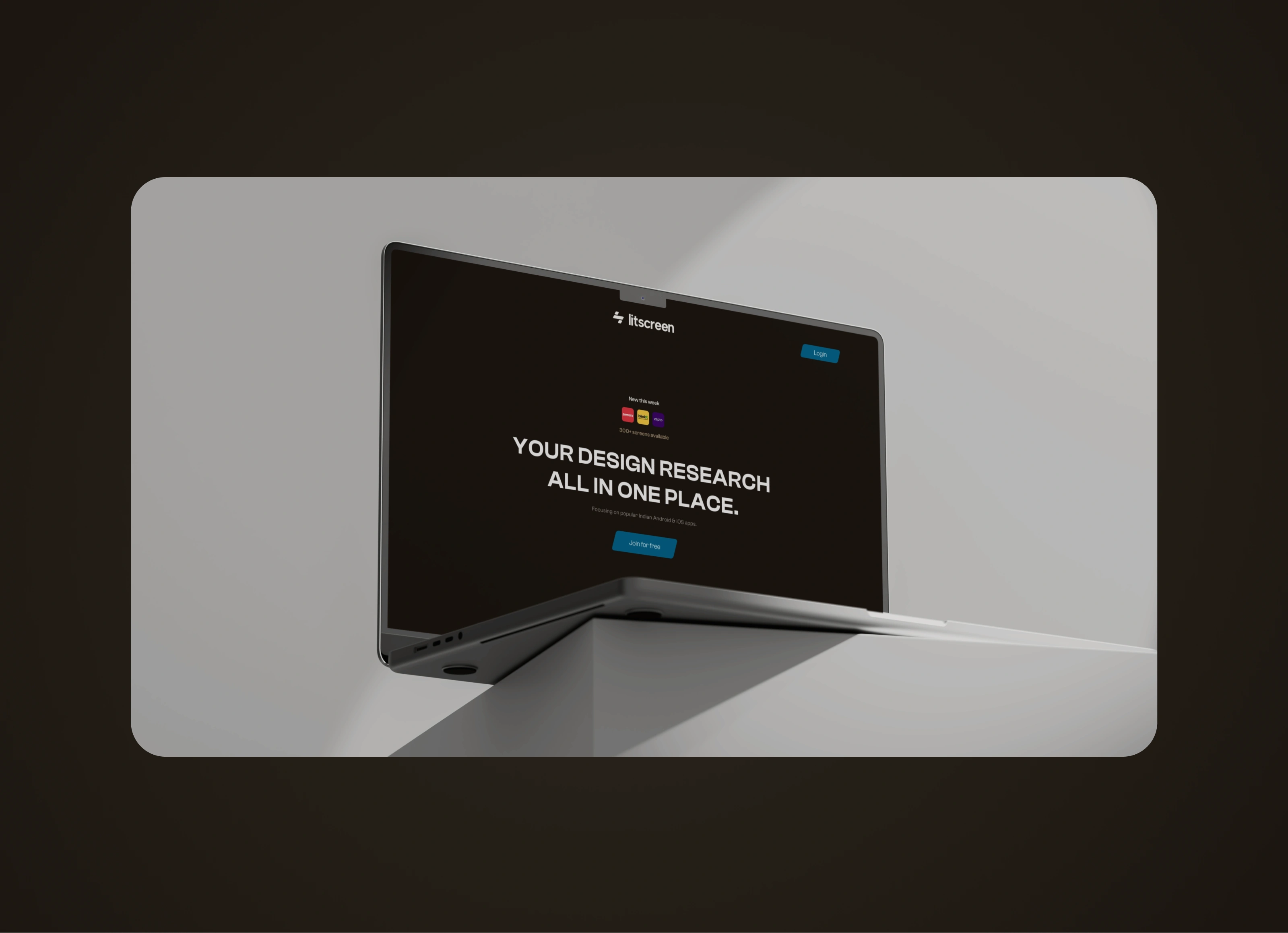
Problem
Design research teams were spending 45+ minutes per screen manually tagging UI components, categorising patterns, and writing metadata, unscalable for any team with volume. The process was entirely manual, inconsistent across reviewers, and impossible to search.
My call
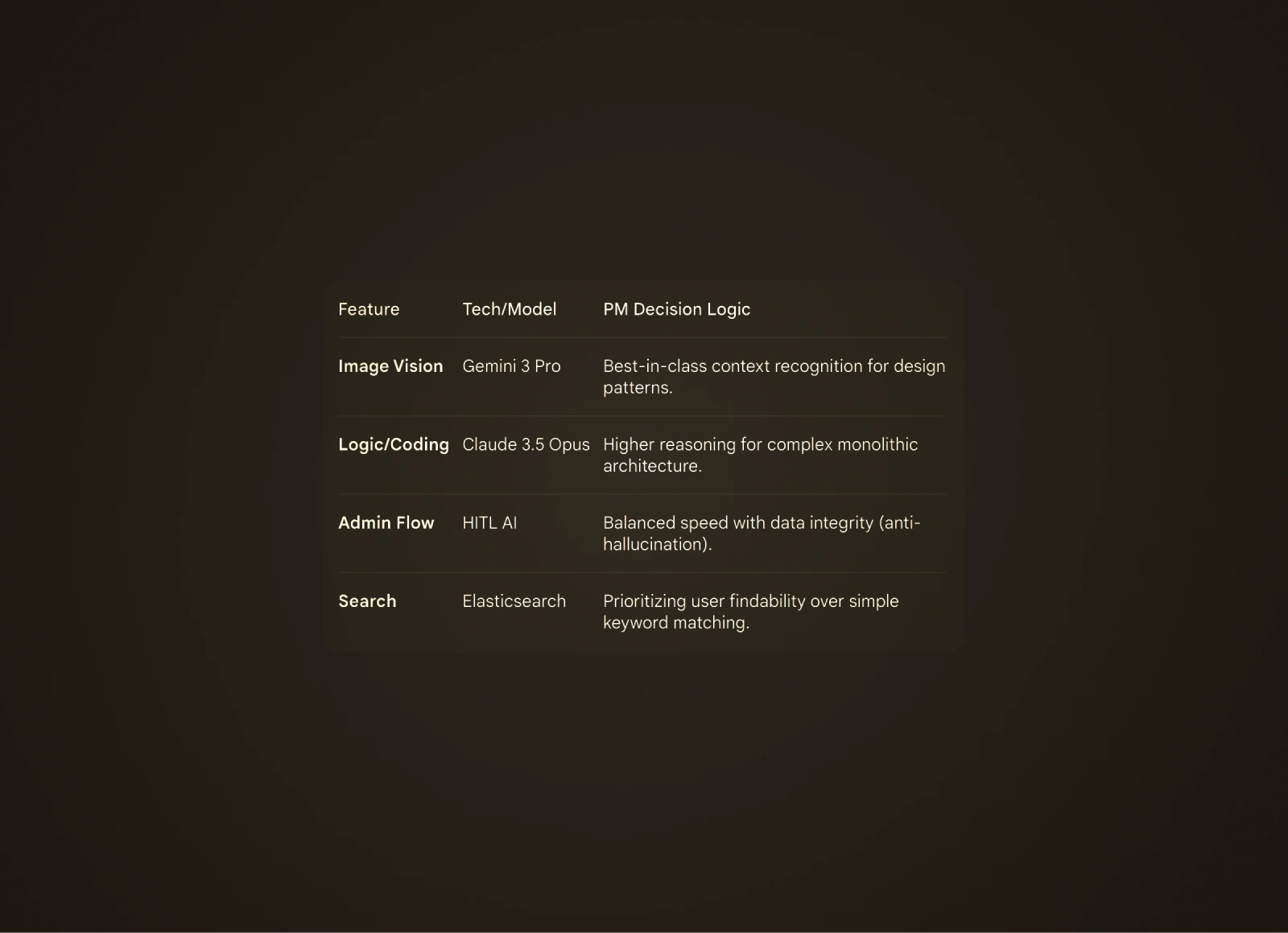
When Gemini 3 Pro launched, I noticed it had strong visual reasoning, far better than anything available for image understanding at the time. Claude, on the other hand, was the best model for structured reasoning and scoring. Most builders would default to one model and accept the tradeoff.
I decided to play to the strengths of each: Gemini handles the visual parsing and component recognition, Claude takes that structured output and applies reasoning, scoring, and metadata generation. Two models, two jobs, one pipeline, with a human-in-the-loop verification step so the output stays trustworthy.
What I shipped
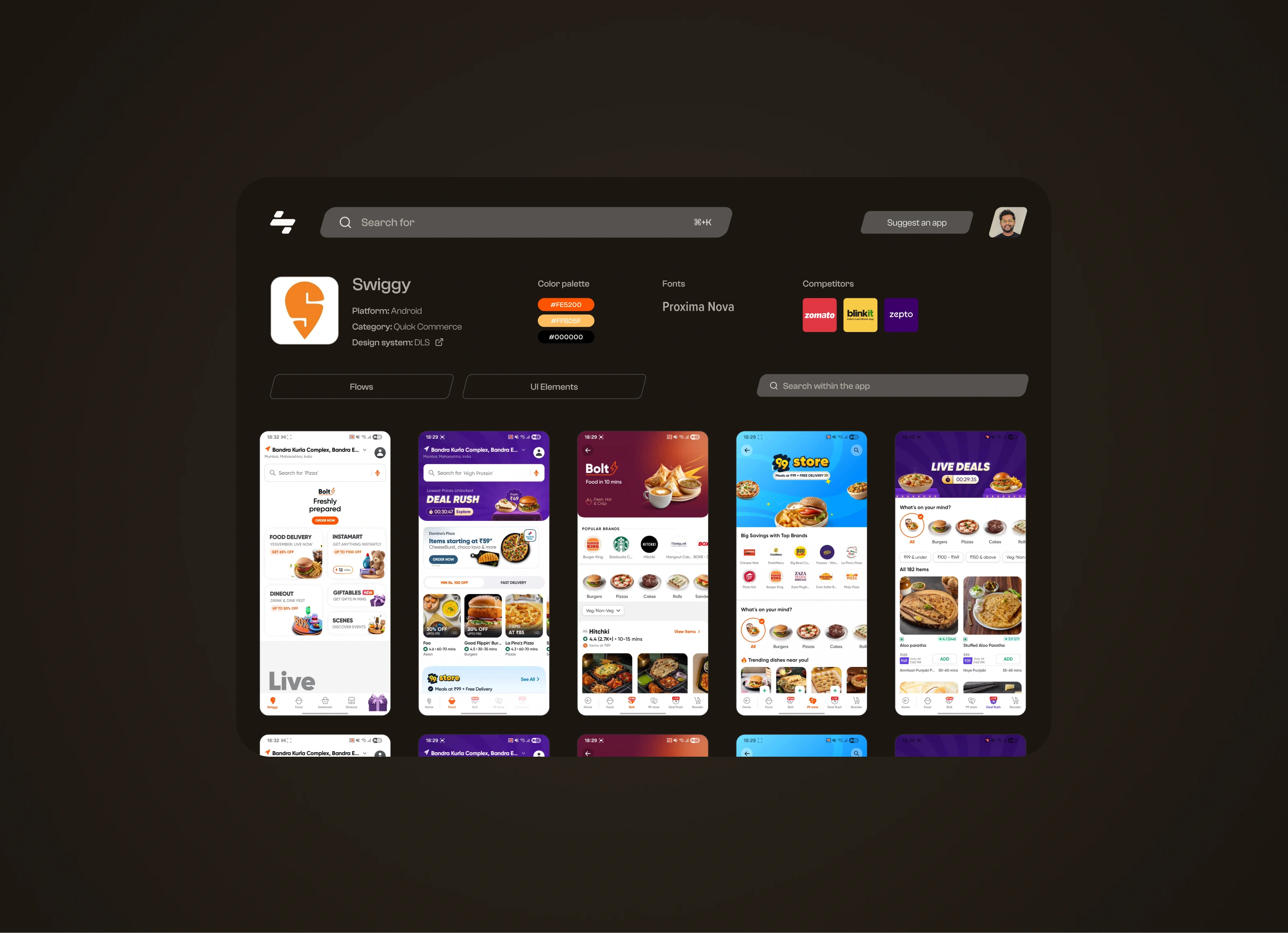
A full-stack AI research tool with an admin dashboard, public search interface, and component library. The AI pipeline processes uploaded screenshots end-to-end: image analysis, metadata extraction, contextual tagging, structured output, human review, and database publishing. Built on Next.js, Node.js, and Supabase. Deployed to production.
- 1
Upload
Admin
- Bulk screenshot upload
- Auto resize and optimise
- Served from Cloudinary
- 2
Image analysis
Gemini 3 Pro
- Component detection
- Layout analysis
- Pattern recognition
- 3
Metadata
Gemini 3 Pro
- Screen type and category
- UI component list
- Tags and keywords
- 4
Context
Claude
- Design principles used
- UX patterns identified
- Use case suggestions
- 5
Structured output
Claude
- Category, components, tags
- Confidence score per screen
- 6
Human review
Admin, in the loop
- Verify AI suggestions
- Correct hallucinations
- Add missing context
- 7
Publish
Supabase
- Screen goes live for users
- Stored in PostgreSQL
- 8
Search index
PostgreSQL
- Full text search
- Custom ranking logic
Outcome
Workflow dropped from 45 minutes to 5 minutes per screen, an 89% efficiency gain. 23,000 lines of production code shipped in 8 weeks. Proved that a PM with a sharp technical point of view can move as fast as a small engineering team.
How I built it
Stack: Next.js (frontend + API routes), Node.js, Supabase (PostgreSQL + storage), Cloudinary CDN. AI layer: Gemini 3 Pro for image understanding and component recognition, Claude Sonnet for reasoning, metadata generation and scoring, with human-in-the-loop (HITL) verification to catch hallucinations. Search: PostgreSQL full-text search with custom ranking logic. Prompt architecture was iterated heavily, structured output format, token optimisation (SOPs, context window management), and 40% cost reduction through prompt engineering.
Got something to build?
Let's talk.
Actively looking for Product Manager roles in payments and agentic AI.